
Over the years, I’ve learned that building a stunning modeling portfolio is necessary for both photographers and models. It’s your chance to showcase your unique style, creativity, and ability to connect with your audience. Whether you’re starting from scratch or looking to enhance your existing collection, I’ll guide you through the key elements that make a portfolio stand out. Plus, if you need help finding models, check out this useful resource on How to Find Models + Build Your Portfolio as a New …. Let’s dive in!
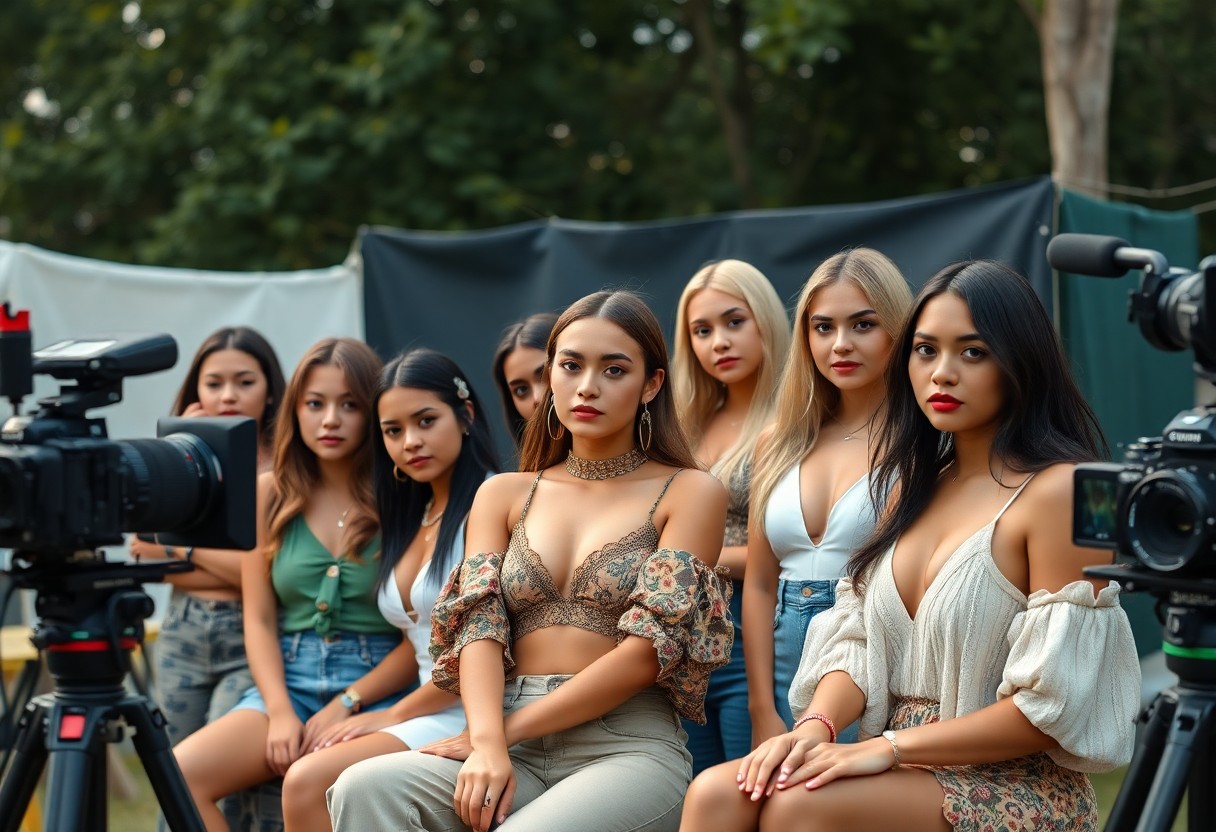
Key Takeaways:
- Quality Images: Prioritize high-quality, diverse images that showcase your versatility as a model.
- Styling Selection: Choose outfits that enhance your personal brand and reflect the type of modeling work you want to pursue.
- Professional Presentation: Ensure your portfolio is well-organized, including a mix of headshots and full-body shots to highlight different looks.
Understanding the Types of Modeling Portfolios
For anyone in the modeling industry, understanding the various types of modeling portfolios is necessary for effectively showcasing your talents and appealing to the right audiences. Each portfolio serves a distinct purpose and may involve different styles and elements based on the modeling niche you are aiming for. Here are the primary types that you can consider:
| Fashion Portfolio | Targeted at high fashion shoots, runway events, and editorials. |
| Commercial Portfolio | Focused on lifestyle, product ads, and campaigns that sell a brand’s identity. |
| Editorial Portfolio | Features compelling narratives, often presented through magazines and publications. |
| Plus-Size Portfolio | Specifically designed to show versatility in styling and posing for plus-size models. |
| Fitness Portfolio | Highlights athletic abilities alongside a fit and healthy lifestyle. |
This understanding will not only help you tailor your portfolio to fit your unique skills but will also aid photographers in steering their shoots in a direction that will complement and elevate your work.
Fashion Portfolio
Fashion modeling portfolios are an incredible way to showcase your versatility and edge in the industry. Fashion photography captures your style and personality, ultimately presenting you as the ideal candidate for high-fashion campaigns, runway shows, or editorial spreads. I find that the most engaging fashion portfolios combine striking visuals with an array of outfits that reflect the latest trends and creative visions of designers.
In this type of portfolio, I suggest including diverse looks and poses that highlight your range. Strong, clean images in different settings and under varying lighting conditions can enhance your appeal to fashion directors and agencies. Your portfolio should be like a visual storybook about your modeling experiences, featuring not just your face, but your whole essence.
Commercial Portfolio
Assuming you are looking to expand your career in the commercial sector, a well-crafted commercial portfolio is necessary. This type of portfolio usually emphasizes a more relatable and accessible image, catering to brands that market products to everyday consumers. It’s all about portraying lifestyle and aspiration, whether it’s the latest clothing line, a beauty product, or home goods. I think it’s important to collaborate with photographers who have experience in commercial work to create visuals that resonate with the target audience.
Portfolio pages should be filled with joyful, bright images that make consumers feel good about the products they see. You can include headshots, lifestyle shots, and pictures that depict you engaging with various products to create an authentic connection with potential clients. This variety showcases your adaptability and ability to fit into any commercial narrative.
This approach resonates well in an age where relatability often drives purchases, making your portfolio a vital asset in attracting commercial gigs.
Editorial Portfolio
Modeling for an editorial portfolio is all about storytelling through imagery. Each photograph should evoke emotion and intrigue, leaving a memorable impact on the viewer. These portfolios often look to a narrative style where artistic expression takes precedence. I find that working with photographers who understand how to craft a story visually can elevate your portfolio significantly, especially for those looking to land editorial jobs in high-end magazines.
Editorial shots can be moody, provocative, or entirely whimsical, allowing you to explore different facets of fashion and modeling. This level of creativity is what will help you stand out in a crowded market. Including a mix of dramatic high-fashion looks and candid moments will paint a fuller picture of your capabilities as a model.
This type of portfolio not only attracts attention from magazines and fashion houses but can also lead to opportunities in advertising and freelance projects that value unique artistic voices.
The Ultimate Guide To Building Your Modeling Portfolio – Step-by-Step Guide to Building Your Portfolio
Even as a model or photographer, the path to crafting a stunning portfolio can feel overwhelming. However, by breaking it down into manageable steps, you can create a strong representation of your skills and style. Below, I’ve outlined the process in a simple table format to guide you through.
| Step | Description |
|---|---|
| 1. Define Your Style | Identify the type of modeling or photography style that resonates with you. |
| 2. Research Locations | Find unique and engaging settings that complement your aesthetic. |
| 3. Build a Team | Select talented photographers and models to collaborate with. |
| 4. Plan Your Shoots | Outline the concept and logistics for each photo shoot. |
| 5. Curate Your Best Work | Choose your standout images to showcase in your portfolio. |
Choosing the Right Photo Shoot Locations
There’s something magical about the right location that can elevate your images from good to unforgettable. When scouting for venues, consider places that resonate with your style while also offering a variety of backgrounds and textures. Urban settings, natural landscapes, or even studios can all provide distinct atmospheres that could enhance your portfolio.
Moreover, think about the accessibility and lighting of each location. A location that is easy to get to, with plenty of natural light, can significantly boost your comfort level and creativity during the shoot. Pay attention to the time of day you’ll be shooting as well, since golden hour often provides the best lighting conditions. You’ll want to create a diverse array of images that showcase your abilities, so ensure you have multiple spots lined up to truly reflect your range.
Selecting Models and Photographers
Selecting the right individuals to collaborate with can make all the difference in achieving your desired results. Look for models and photographers who inspire you and align with your vision. You want someone who not only has the technical skills but also shares your creative passion. Collaborating effectively will lead to a more enjoyable experience and, ultimately, a more impressive portfolio.
The choice of your collaborators can influence the overall vibe of your portfolio. When considering models, try to find individuals who possess unique attributes or remarkable expressions that will stand out. Likewise, when selecting photographers, look for professionals whose previous work sparks your interest and fits well with your aesthetic. Establishing good chemistry with your team is key, as this will enhance the quality of the shoot and create an environment where everyone feels comfortable showcasing their skills.
Essential Tips for Photographers
Keep in mind that as a photographer, your goal is to create a modeling portfolio that showcases the unique abilities of your models while also highlighting your creative skills. Building a solid rapport with your models, utilizing effective communication, and paying attention to the smallest details can make all the difference. Here are some necessary tips to help you elevate your photography game:
- Utilize natural light whenever possible
- Experiment with different angles and compositions
- Incorporate props and backdrops for creative flair
- Ensure your models feel comfortable and confident
- Edit photos thoughtfully to enhance their natural beauty
The best portfolios not only exhibit technical skill but also convey a story or emotion that resonates with the viewer.
Lighting Techniques
With effective lighting techniques, you can dramatically enhance the quality of your photos and bring out the best in your models. Natural light can be your best friend; shooting during the golden hour, when the sun is low in the sky, adds a warm glow that flatters every face. Additionally, experimenting with artificial lighting sources – such as softboxes or ring lights – can help you control shadows and highlights, creating depth in your images.
Don’t shy away from using shadow and contrast to create mood and atmosphere; these elements are just as important as light itself. I find that playing with backlighting can add an ethereal quality to my shots, making them stand out in a competitive portfolio. The way you manipulate light can be the key to capturing stunning images that emphasize the model’s features while also providing the right context for their work.
Posing Guidance
Clearly conveying how to pose your models can have a significant impact on the final outcome of your photos. It’s necessary to communicate clearly and provide guidance tailored to each individual model. I’ve discovered that offering a few simple poses that highlight the model’s personality gives them a solid starting point. Encourage them to experiment with their expressions, angles, and body positions. This approach not only allows for collaboration but also fosters a sense of trust, resulting in more authentic shots.
Understanding the art of posing is vital for creating a diverse portfolio. Focusing on various poses can display different moods and styles, showcasing the model’s versatility. I emphasize the significance of body language; subtle adjustments like tilting the head or shifting weight can breathe life into an image. Moreover, I remind my models to maintain a relaxed posture, as nerves can lead to stiff photographs. Creating a comfortable atmosphere is necessary to coax out genuine emotions, which is often what makes or breaks a great shot. The journey of collaboration and understanding will ultimately enhance your portfolio’s appeal and sophistication.
Essential Tips for Models
Now that you want to build a stunning modeling portfolio, it’s important to equip yourself with some crucial tips. Your journey as a model can be both exhilarating and challenging, but the right preparation can make a world of difference. Here are a few tips I find helpful:
- Confidence is key – walk into every shoot like you own the space.
- Be prepared to adapt your poses and expressions based on direction from photographers.
- Always communicate your comfort levels with the team, ensuring a relaxed environment.
- Show up on time and be punctual – it reflects your professionalism.
- Stay positive and open-minded to feedback that may help you improve.
This will help set the stage for a successful modeling career.
Preparing for a Photo Shoot
Assuming you have a shoot scheduled, preparation is the name of the game. I always make sure to gather all necessary outfits, accessories, and any makeup I might need prior to the day of the shoot. It’s crucial to have a clear vision of the looks we want to create and how they fit within the theme of the shoot. If you have any specific styles or ideas in mind, don’t hesitate to coordinate with your photographer beforehand to ensure you’re on the same page.
Additionally, practicing poses in front of a mirror can be incredibly beneficial. I like to experiment with different angles and expressions so I know which looks work best for me. This not only warms me up for the shoot but also boosts my confidence. Ensuring I’m well-rested and hydrated on the day of the shoot is just as important, as it allows me to bring my best self to the camera.
Working with Photographers
While every photographer has a unique style, I believe establishing a good rapport with them greatly enhances the outcome of the shoot. When working together, I make it a point to listen to their instructions and ask questions if I’m unsure about what they want. It’s also valuable to share my ideas and preferences because collaboration can often lead to the most incredible shots!
With photographers, it’s equally important to maintain a balance between following their direction and showcasing your own personality. It can be a bit intimidating at first, especially when they have an artistic vision that may differ from yours, but honesty and clear communication can alleviate much of that pressure. If I’m pushing for a particular look, I’ll kindly communicate it; balance is key! Be cautious about any photographer who makes you feel uncomfortable or disrespected, as this can have lasting effects. Always prioritize your comfort and well-being during shoots. Staying grounded in these partnerships will lead to a more enjoyable and fulfilling modeling journey.
Factors to Consider When Building Your Portfolio
All aspects of your modeling portfolio require careful thought and attention. There’s no one-size-fits-all solution, but keeping a few key factors in mind can help steer your direction. Incorporating a variety of styles and themes allows your portfolio to showcase versatility, while also highlighting your unique personality. Here are a few elements that I consider imperative when curating your collection:
- Quality of Images – Ensure all photos are high resolution and well-composed.
- Range of Looks – Present different styles to attract a broader audience.
- Location Variety – Utilize diverse backgrounds to add depth to your portfolio.
Knowing how to blend these factors together will give you a stronger, more impactful portfolio. If you want a more detailed breakdown, take a look at this 2024 Guide To Building Your First Modeling Portfolio (With …), which can provide you with even more insights.
Target Audience
Portfolio creation isn’t just about showcasing your best looks; it’s also about understanding who you’re speaking to. My advice is to identify your target audience and consider their specific interests and preferences. Do you want to attract fashion designers, brands, or photographers? Tailoring your portfolio to appeal to your preferred audience will make it more effective in drawing attention. By taking some time to research their expectations, you can create a selection of images that are more likely to resonate.
Current Trends in Modeling
Targeting the right trends is fundamental to staying relevant in an ever-changing industry. What’s trending today might not hold the same importance tomorrow, so keeping a pulse on the current trends in modeling is imperative. I often explore social media platforms to identify hot topics, styles, or techniques that are gaining traction, and integrate them into my portfolio. Make sure to include elements such as sustainability in fashion or inclusive sizing that are increasingly becoming focal points in the industry.
Current modeling trends reflect society’s shifting values and tastes, which can often be both positive and challenging. The rise of digital platforms and social media influencers is marking a new era in modeling, pushing traditional models to expand their skill sets. Moreover, memorable themes like body positivity and cultural representation have opened new opportunities. However, it’s important to remain cautious of trends that could lead to a short-lived spotlight; instead, I strive for a balance that showcases timely elements while keeping an eye on longevity.
Pros and Cons of Different Portfolio Styles
To choose the right portfolio style for you, it’s necessary to weigh the advantages and disadvantages of each option. Each style serves its purpose and can vastly impact how your work is perceived by potential clients and agents. Below is a breakdown of the key pros and cons of various portfolio styles:
| Portfolio Style | Pros and Cons |
|---|---|
| Digital Portfolios | Accessible, easy to share; requires internet connection. |
| Printed Portfolios | Tangible and memorable; can be cumbersome to transport. |
| Solo Photoshoots | Shows versatility; may lack consistency in style. |
| Thematic Portfolios | Highlights specific skills; can limit overall appeal. |
| Collaborative Portfolios | Demonstrates teamwork; might mix personal styles. |
| Video Portfolios | Engaging and dynamic; requires good editing skills. |
| Social Media Portfolios | Wide reach and instant feedback; can be perceived as less professional. |
| Interactive Portfolios | Immersive experience; may need technical know-how. |
| Website Portfolios | Can showcase a variety of work; ongoing maintenance required. |
Digital Portfolios
For modern models and photographers, a digital portfolio offers a level of convenience that can’t be ignored. It allows you to share your work easily with agents and clients, no matter where they are. However, it’s important to ensure that your digital portfolio is visually appealing and easy to navigate. This digital accessibility is great, but it also means you must rely on having a strong internet connection to present your work.
Printed Portfolios
Some might argue that the charm of a printed portfolio lies in the tactile experience it offers. There’s something special about physically flipping through pages filled with high-quality images that can leave a lasting impression. While printed portfolios can be a bit more challenging to create and transport, the impact they have during face-to-face meetings can outweigh these inconveniences.
With a printed portfolio, you can curate a collection of your best work and present it in a visually stunning format. The exceptional quality of prints can convey a level of professionalism that resonates with clients. Moreover, having that physical presence at an interview or casting can facilitate conversations and make your portfolio stand out in a sea of digital displays. However, it’s necessary to keep your printed portfolio updated to make sure it reflects your most recent work and style.
Conclusion
Taking this into account, I believe that building a modeling portfolio is an exciting journey filled with opportunities for growth and self-expression. Whether you are a photographer or a model, your portfolio should be a reflection of your unique vision and style. I encourage you to make the most of every shoot, collaborating with various talents and trying different looks to create a diverse and compelling body of work. The right portfolio will not only showcase your skills but also open doors to exciting opportunities in the modeling industry.
As you launch on this creative adventure, keep in mind that the process is just as important as the end result. I hope that the tips shared in this guide empower you to take bold steps toward curating a standout portfolio. Embrace the learning experiences, connect with others in the industry, and most importantly, let your passion shine through in every image. By doing so, you’ll be well on your way to impressing agencies and clients alike with your authentic talent.
Q: What are the key components of a successful modeling portfolio?
A: A successful modeling portfolio typically includes a variety of images showcasing a diverse range of looks, poses, and styles. Key components are high-quality headshots, full-body shots, and editorial-style images that represent your versatility. It’s important to curate a selection of images that highlights your strengths and unique features while demonstrating your ability to work with different themes and concepts. Additionally, including behind-the-scenes photos can provide context about your work style and personality, which can be appealing to potential clients.
Q: How can photographers collaborate effectively with models to enhance their portfolios?
A: Photographers and models can enhance their portfolios by collaborating on creative projects that challenge both parties. Open communication before the shoot is crucial to discuss concepts, themes, and styling. By brainstorming ideas together and sharing inspiration, both can align their visions. Moreover, it’s beneficial to schedule test shoots, which allow models to try out different looks and postures in front of the camera while providing photographers the opportunity to experiment with lighting and techniques. Building a rapport during these sessions can also lead to more successful and relaxed outcomes.
Q: What strategies can help models choose the right photographer for their portfolio shoot?
A: When selecting a photographer, models should consider their artistic style and previous work, ensuring it aligns with the model’s vision for their portfolio. Researching their social media, websites, and established projects can provide insights into their methodology and aesthetics. Additionally, reading reviews or asking for references from other models can help gauge the photographer’s professionalism and reliability. It’s also advisable to schedule a pre-shoot consultation to discuss ideas, clarify expectations, and ensure that both parties feel comfortable working together, as this can significantly influence the quality of the final images.